 (Image via
The fashion world is getting a much-needed sustainable makeover, and it’s an exciting change to see. Circular fashion is leading this charge, moving us away from a "wear it once" mindset to a more thoughtful cycle of use, reuse, and recycling. As part of this movement, circular fashion marketplaces are becoming wonderful places to find pre-loved treasures. A major challenge in this space has always been proving an item is authentic. This is where blockchain technology comes in, offering a high-tech solution to build trust. This article will help you understand this powerful duo. We’ll look at how circular fashion works, explore blockchain's role in verifying luxury goods, and guide you through the future of conscious shopping.
What Is the Circular Fashion Economy?
The circular fashion economy is a beautiful and sustainable alternative to the traditional fashion industry. The old model, often called "linear fashion," follows a "take, make, dispose" path. Resources are used to create clothes that are worn for a short time and then thrown away, creating massive amounts of waste.
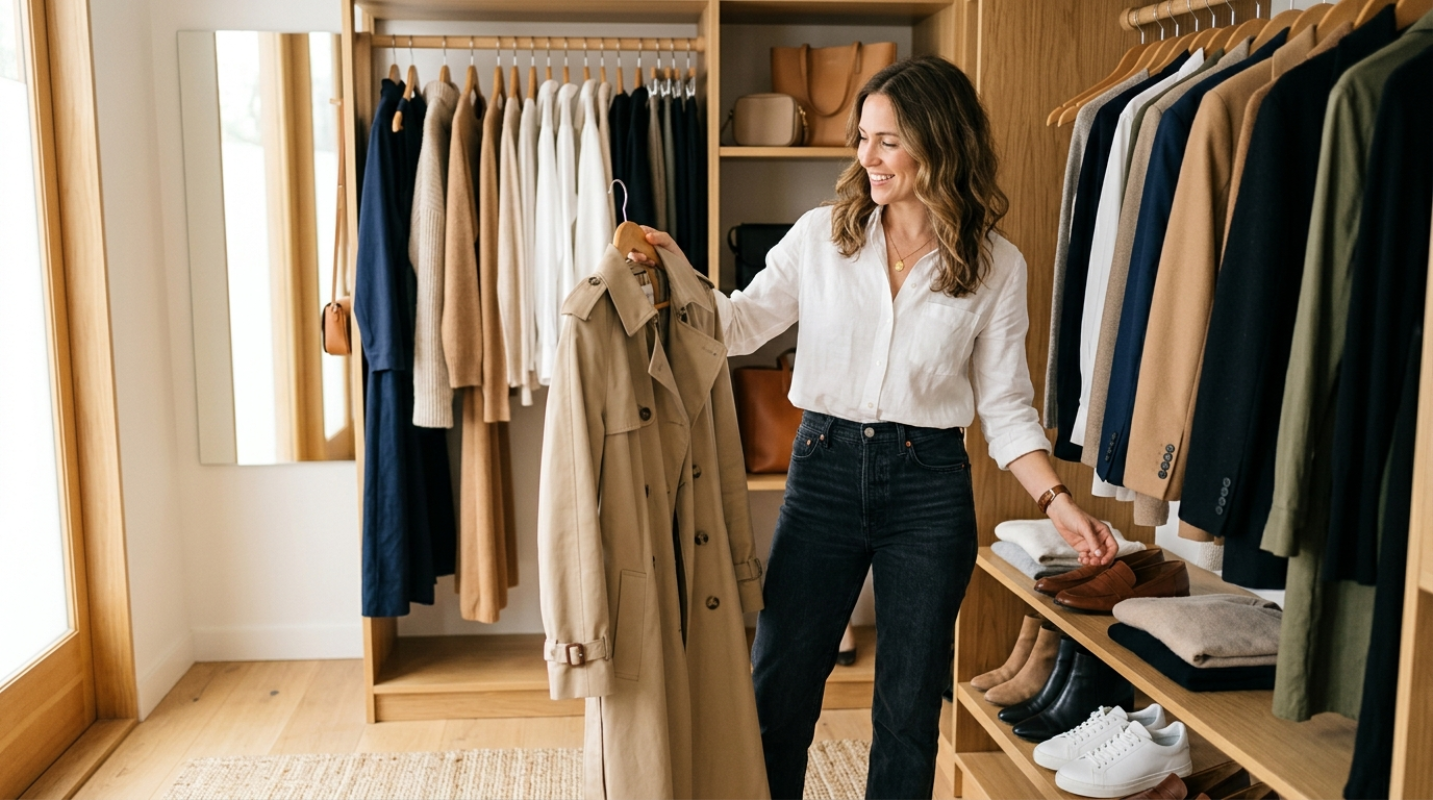
Circular fashion, on the other hand, is all about keeping clothes in use for as long as possible. Think of it as a continuous loop. High-quality items are designed to be durable. After their first owner is done with them, they can be resold, repaired, or rented. Once a garment truly reaches the end of its life, its materials can be recycled to create new fibers for new clothes. This approach dramatically reduces waste, conserves resources like water and energy, and lowers the industry’s carbon footprint.
Marketplaces dedicated to this model are key to its success. They provide a trusted platform for you to buy and sell pre-owned items, making it easy and stylish to participate in this positive movement.
The Problem of Authenticity in Secondhand Fashion
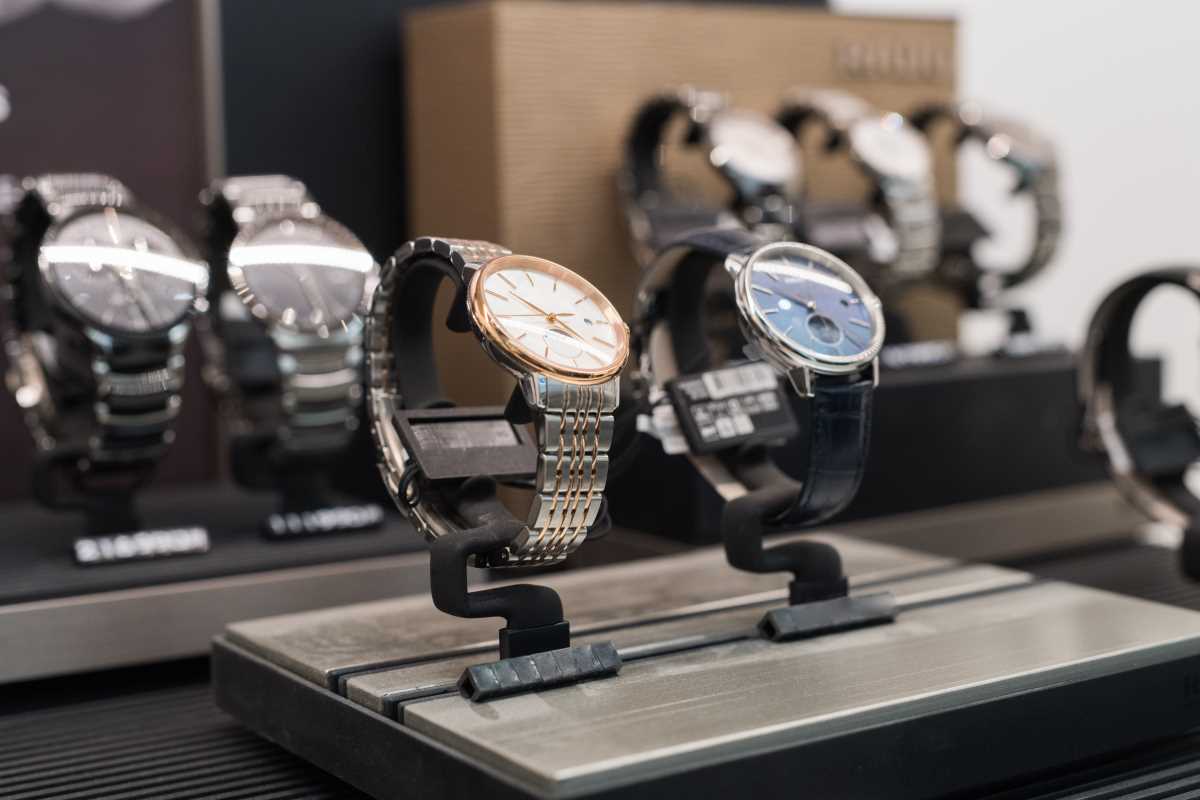
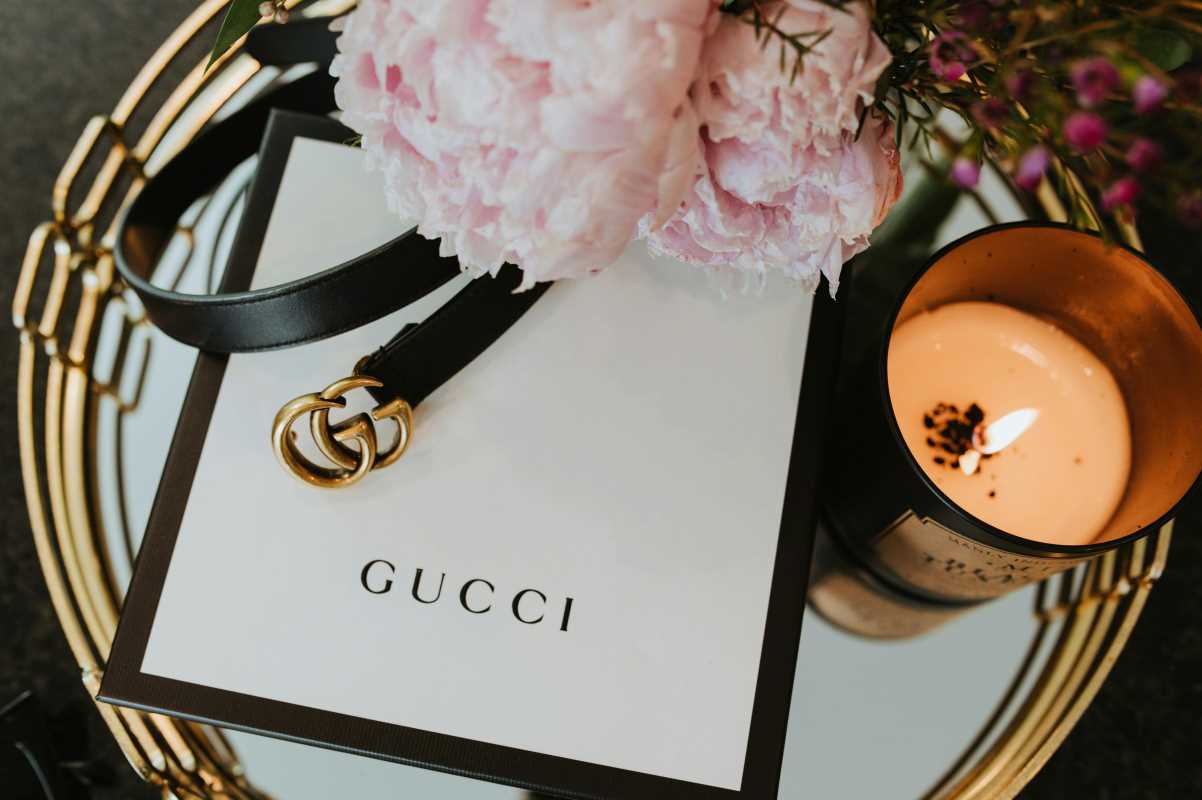
One of the biggest hurdles for the pre-owned luxury market has always been trust. How can you be sure that the designer handbag or vintage watch you’re buying is the real deal and not a convincing fake? Counterfeit goods are a huge problem, and it can be difficult for even experienced buyers to spot them.
This lack of trust is a barrier for both buyers and sellers. As a buyer, you might hesitate to spend your money on a high-value item without a guarantee of its authenticity. As a seller, you might struggle to get a fair price for your genuine item because of the general doubt in the market.
Traditionally, authentication has relied on human experts who examine an item’s stitching, hardware, and logos. This process can be subjective and time-consuming. Circular fashion marketplaces need a more reliable and transparent way to prove an item’s legitimacy, and that's where the power of blockchain comes into play.
How Blockchain Creates Trust
Blockchain might sound complex, but its core idea is quite simple. It’s a digital ledger, or a record book, that is shared across a network of computers. Once a piece of information is added to the blockchain, it is practically impossible to change or delete it. This creates a secure and permanent record.
Here’s how it works for fashion:
- Creating a Digital ID: When a new luxury item is made, the brand creates a unique digital identity for it on the blockchain. This is like a birth certificate for the product. This digital ID, often called a "digital twin" or NFT (Non-Fungible Token), is linked to the physical item, perhaps through a QR code or a tiny chip embedded in the label.
- Tracking the Journey: Every time the item changes hands, the transaction is recorded on the blockchain. The sale from the brand to the first owner, and every subsequent sale on a circular marketplace, is added as a new "block" of information to the item's digital chain.
- Verifying Authenticity: You can simply scan the item's code with your smartphone to view its entire history on the blockchain. You can see when it was made, where it was first sold, and who has owned it. This transparent, unchangeable record proves its authenticity beyond any doubt.
This technology creates a clear chain of custody, giving everyone the confidence that the item is genuine.
Examples of Blockchain-Powered Marketplaces
Several forward-thinking platforms are already using blockchain to build a more trustworthy circular fashion ecosystem.
Arianee
Arianee is a leading platform that provides luxury brands with the tools to create digital passports for their products. Brands like Breitling and ba&sh use Arianee to offer their customers a permanent, digital certificate of ownership and authenticity. When a customer buys an item, they receive its digital twin in a secure wallet on their phone. This passport can then be transferred to a new owner if the item is sold, providing a seamless and secure history.
EON
EON works with brands like Chloé and Gabriela Hearst to connect products to the cloud with a "Digital ID." By scanning a QR code on the garment's label, you can access information about the product's origin, materials, and care instructions. This ID also facilitates resale by providing instant authentication. EON's platform aims to power a circular system where items can be easily resold, repaired, or recycled.
The RealReal and Digital IDs
The RealReal, a major player in luxury consignment, has also begun to explore blockchain. By partnering with brands to adopt digital identification, they can streamline their own extensive authentication process. This allows them to verify items more quickly and with greater accuracy, enhancing trust for the millions of users on their platform. It’s a sign that even the biggest names in resale see blockchain as the future.
The Benefits of This Tech-Savvy Approach
Combining circular fashion with blockchain offers some wonderful benefits for everyone involved.
- Unshakeable Trust: For you as a buyer, blockchain provides complete peace of mind. You can invest in pre-loved luxury with confidence, knowing the item’s history is verified and secure.
- Empowering Sellers: If you’re selling an item, its digital passport proves its value, helping you get the best possible price. It makes the selling process smoother and more transparent.
- Fighting Counterfeits: Blockchain makes it incredibly difficult for fake goods to enter the legitimate resale market. This protects brand reputations and ensures a fair marketplace for everyone.
- Promoting Sustainability: By making resale easier and more trustworthy, blockchain encourages more people to participate in the circular economy. This extends the life of garments and helps reduce the fashion industry's environmental impact.
Looking Ahead: The Future of Shopping
The marriage of blockchain and circular fashion is more than just a trend; it's a fundamental shift toward a more honest and sustainable industry. This technology empowers you to make more informed choices, giving you a direct line to a product’s history and authenticity. It transforms shopping from a simple transaction into a story you can be a part of.