 (Image source: Gemini)
 The average person today wears a garment only seven to ten times before it gets tossed or forgotten. That is a 35% drop in garment life over just fifteen years. This cycle isn't just hard on your wallet. It's devastating for the planet. The fashion industry is currently responsible for 10% of global carbon emissions, which is more than international flights and shipping combined. Approximately 92 million tons of textile waste end up in landfills every year. So, how do you break out of this cycle without sacrificing your personal style? It starts with a shift in how you value what you own.
The Philosophy of Less But Better
Building a wardrobe that lasts isn't about deprivation. It's about intentionality. You've probably spent years chasing trends that expire before the credit card bill even arrives. Shifting toward a "less, but better" mindset means you stop being a passive consumer and start being a curator.
Think of your wardrobe as a small, high-performing team. Every piece should have a clear job. One of the best ways to stop impulse buying is to define your personal uniform. This doesn't mean wearing the exact same outfit every day like a cartoon character. It means knowing which silhouettes and colors make you feel most like yourself. When you know a high-waisted pair of trousers and a crisp shirt is your "power" look, you'll stop buying trendy ruffled skirts that sit unworn with the tags on.
The most important tool in this philosophy is the Cost-Per-Wear (CPW) metric. This formula helps you justify spending more on a quality item by looking at its value over time.
CPW = (Purchase Price + Maintenance Costs) / Estimated Number of Wears
A $45 fast fashion blazer might seem like a steal. But if it loses its shape after five wears, your cost is $9.00 per wear. A $220 sustainable wool blazer that you wear 150 times over three years costs you only $1.46 per wear. Aim for a CPW of under $1.00 for your daily staples like jeans, coats, and boots.
Identifying Your Core Capsule Needs
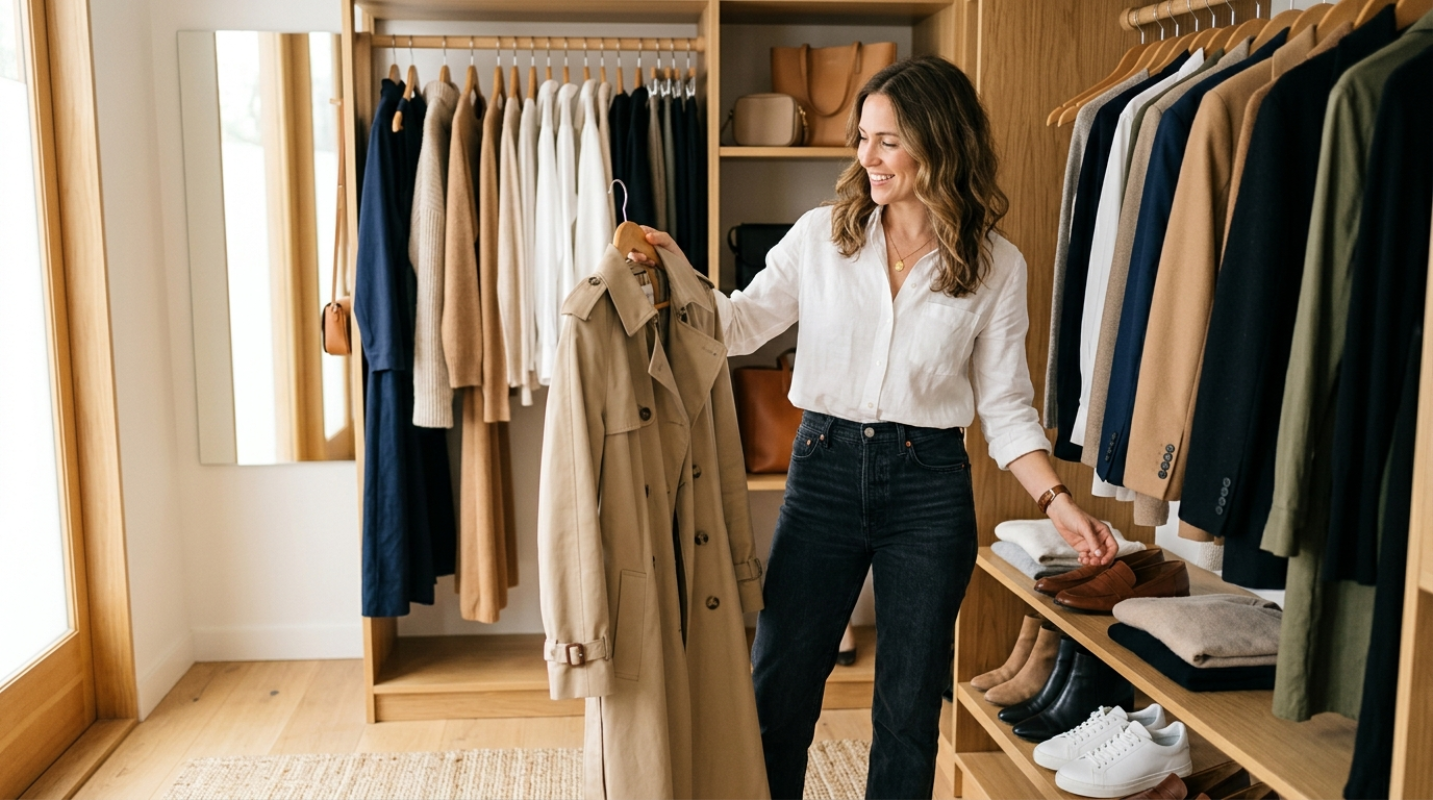
A timeless wardrobe relies on a foundation of items that play well together. If your closet is a chaotic mix of patterns and "statement" pieces, you'll always struggle to get dressed. Maximum mix-and-match potential comes from a neutral palette. Black, white, navy, camel, and grey are the glue that hold everything else together.
Focus your budget on high-quality foundations first. A white tee that isn't see-through, a tailored blazer that fits your shoulders perfectly, and dark denim without distressed holes are the pillars of a functional closet. These pieces never go out of style. You can wear them in 2026, and you'll still be able to wear them in 2036.
When you're shopping, ignore the brand label and look at the fabric composition. This is a major secret to longevity. Natural fibers like organic cotton, linen, wool, and Tencel are more durable and breathable than synthetic polyester. Global fiber production reached 132 million tonnes recently, but much of that is low-quality plastic-based fabric that traps odors and pills after one wash.⁵ Look for the small white tag inside the garment. If it's mostly polyester or acrylic, it probably won't survive the year.
Smart Shopping Habits for the Budget Conscious
You don't need a massive bank account to build a high-end wardrobe. In fact, some of the most stylish people I know rarely buy anything at full retail price. Mastering the art of second-hand and consignment shopping is the ultimate "cheat code" for a sustainable closet.
Platforms like Vinted, Depop, and Poshmark have changed the game. You can often find premium sustainable brands like Patagonia or Eileen Fisher for 70% off. It takes a bit more patience than scrolling a fast fashion site, but the quality of the items you'll find is vastly superior.
To stay on track, try the Rule of Three. Before you buy anything new, you must be able to style it in at least three different outfits using clothes you already own. If a top only works with one specific pair of pants, it isn't a versatile addition. It's a burden.
Another great approach for 2026 is the 5-Piece French Wardrobe.¹⁰ This rule allows you only five "trend" or "statement" purchases per season. Your basics, like plain tees or simple jeans, don't count toward the limit. This forces you to be incredibly picky about what you bring home. It stops the "micro-trend" cycle where you buy something because it's viral on social media, only to hate it two months later.
The Maintenance Mindset Care is Key
We've become a "disposable" society, but your clothes shouldn't be part of that. Learning basic garment care can double or triple the lifespan of your wardrobe. This effectively halves your Cost-Per-Wear.
Start by washing your clothes less. Unless something is actually dirty or smelly, it doesn't need to go in the machine after every wear. High heat and aggressive agitation break down fibers. Air drying your clothes is one of the easiest ways to prevent wear and tear.
Proper storage is also key. Use wooden or padded hangers instead of thin wire ones that stretch out necklines. Use cedar blocks to keep moths away from your wool sweaters. If a button falls off or a hem comes loose, don't throw the item away. Learning to sew a simple straight stitch is a skill that pays for itself.
When an item does show signs of wear, ask yourself if it can be repaired. A cobbler can replace the soles on a good pair of leather boots for a fraction of the cost of a new pair. A tailor can take in a blazer that feels a bit dated. Knowing when to repair versus when to replace is what separates a curated wardrobe from a cluttered one.
Elevating Basics with Strategic Accessories
If you stick to a capsule of high-quality basics, you might worry about your outfits feeling boring. This is where accessories come in. They are the tools you use to modernize classic silhouettes without having to buy a whole new outfit.
A simple outfit of straight-leg jeans and a white shirt looks completely different depending on the accessories. Add a leather belt and loafers for a professional look. Swap them for gold jewelry and a structured bag for dinner. The clothes stay the same, but the vibe changes entirely.
Invest in versatile shoes and bags. These are the items that pull an outfit together. A high-quality leather tote or a pair of clean white sneakers can make even the most basic outfit look intentional. Keep your accessories minimal to maintain a sophisticated aesthetic. You don't need a hundred cheap necklaces. You need two or three pieces that you love and wear every single day.
Digital tools can also help you stay organized. Apps like Whering or Stylebook allow you to digitize your closet. Experts have found that seeing your wardrobe on your phone reduces the "I have nothing to wear" impulse by about 40%. It's like having a personal stylist in your pocket. It reminds you of the great pieces you already own, so you don't feel the need to buy more.
Building Your Future Wardrobe Today
The most sustainable and affordable garment is always the one already hanging in your closet. By slowing down and choosing quality over quantity, you're not just saving money. You're opting out of a system that generates millions of tons of waste.⁴
Try the 333 Method if you're feeling overwhelmed.⁹ Choose 33 items - including shoes and accessories - and wear only those for the next three months. It forces you to be creative and proves that you really don't need a massive closet to look great.
Building a timeless wardrobe is a marathon, not a sprint. It takes time to find the right pieces and learn what works for your life. But once you have those core needs, the stress of getting dressed disappears. You'll have a closet that works for you, rather than a closet you're constantly working to fill.